2026 Water Bottle Filling Machine Buying Guide: Costs, Budget Planning, and Complete Production Line Setup
The global demand for bottled water continues to surge. According to industry reports, the Water Filling Machines Market is projected to grow at approximately 7.2% CAGR from 2025 to 2035, reaching over USD 5 billion. This growth reflects rising health awareness, urbanization, and consumer preference for convenient packaged beverages.
Many new businesses and manufacturers underestimate the challenges of setting up a reliable bottling operation. They often focus only on the initial machine price while ignoring total ownership costs. As a result, they end up with mismatched configurations that cause low efficiency, frequent breakdowns, or poor scalability.
This practical 2026 water bottle filling machine buying guide addresses these issues directly. It provides a clear, data-driven framework to help you budget accurately, select the right equipment, and design a complete production line that matches your business goals.
For a deeper understanding of different filling technologies and machine types, see our Comprehensive Guide to Water Bottle Filling Machines.
In the following sections, you will discover realistic cost breakdowns, hidden expenses to watch for, scalable configuration models for different production sizes, and detailed ROI scenarios. Whether you are a startup planning your first line or an established producer looking to upgrade, this guide offers actionable insights to support smarter investment decisions and long-term success.
Current Market Landscape and 2026 Trends
The bottled water industry is expanding steadily. Demand for efficient water bottle filling machines keeps rising as consumers seek convenient, safe packaged drinking water worldwide.
Global Market Growth Drivers
Several factors drive this growth. Key drivers include rising health awareness, rapid urbanization, and strong demand for bottled beverages. Sustainability concerns push manufacturers toward eco-friendly solutions. Automation helps companies reduce labor costs while improving consistency. Smaller batch flexibility also gains importance as brands launch more product varieties.
Key Trends Shaping 2026
Several important developments will define the market in 2026:
- Servo-driven and IoT-enabled machines — These systems support predictive maintenance. They reduce unexpected downtime and lower long-term repair costs.
- Modular designs — Quick format changeovers become easier. Producers can switch between different bottle sizes with minimal adjustments.
- Energy-efficient and low-water-waste systems — ESG pressures encourage manufacturers to adopt greener technologies. These solutions cut energy use and minimize wastewater.
Regional Insights for Smart Buyers
Asia-Pacific, especially manufacturing hubs in China, offers the best price-performance ratio for most mid-market buyers. You get reliable quality at competitive prices with good customization options. European equipment, on the other hand, excels in ultra-premium segments where maximum precision, advanced materials, and top-tier certifications matter most.
Understanding these trends helps you choose equipment that stays relevant for the next 5–10 years. The right decision today supports both current efficiency and future scalability.
Breaking Down the Real Costs of Water Bottle Filling Machines
Understanding the true cost of a water bottle filling machine is essential before making any investment. Many buyers focus only on the initial price tag and later face unexpected expenses that hurt profitability. This section breaks down realistic 2026 pricing and total ownership costs.
Machine Price Ranges by Capacity (2026 Estimates)
Prices vary significantly depending on automation level and production speed. Here are current market benchmarks:
- Semi-automatic (1,000-3,000 BPH): $8,000 – $25,000. Suitable for startups and small operations.
- Fully automatic 3-in-1 (5,000-8,000 BPH): $25,000 – $60,000. Most popular choice for growing businesses.
- High-speed lines (12,000+ BPH): $80,000 – $250,000+. Ideal for large-scale producers.
These figures include the main monoblock unit but exclude auxiliary equipment.
Total Cost of Ownership (TCO) Breakdown
Looking beyond the purchase price gives you the full picture. A complete TCO includes:
- Initial capital — Main machine plus auxiliaries like water treatment, bottle blower, labeling machine, and conveyors.
- Installation, training, and validation — Usually 10-15% of machine cost.
- Operating costs — Energy, labor, and maintenance typically run 15-25% of the machine value per year.
- Hidden costs — Spare parts inventory, production downtime, and compliance with standards such as FDA or HACCP.
The 5-Year Ownership Cost Perspective
Many buyers focus only on the sticker price. However, the real differentiator is the Total 5-Year Ownership Cost. A slightly higher initial investment in reliable components and better after-sales support often delivers 30-40% lower TCO over time through reduced downtime and lower maintenance needs.
Here is a simple comparison table:
| Machine Type | Initial Price (USD) | Est. 5-Year TCO (USD) | Best For |
|---|---|---|---|
| Semi-automatic (2,000 BPH) | 8,000 – 25,000 | 45,000 – 90,000 | Startups, small batches |
| Fully Auto 3-in-1 (6,000 BPH) | 25,000 – 60,000 | 120,000 – 220,000 | Growing SMEs |
| High-speed (15,000 BPH) | 80,000 – 250,000 | 350,000 – 800,000+ | Large industrial plants |
Recommendation: Always calculate TCO based on your expected production volume and utilization rate. This approach helps avoid common budget mistakes and supports better long-term returns.
How to Choose the Right Capacity and Configuration for Your Business
Choosing the correct water bottle filling machine capacity is one of the most important decisions for your project. The right configuration matches your current needs while allowing room for future growth. Wrong choices often lead to wasted investment or limited scalability.
Decision Framework by Production Scale
Match your machine to your daily or annual output goals:
- Startup (<5,000 bottles/day): Begin with semi-automatic or entry-level automatic lines. These are affordable and easy to operate with limited staff.
- Growing SME (5,000-20,000 BPH): A fully automatic 3-in-1 monoblock system works best. It balances speed, reliability, and reasonable investment.
- Industrial scale (>20,000 BPH): High-speed rotary lines with full automation and advanced quality control systems are necessary for large operations.
Bottle Size and Product Type Considerations
Bottle specifications greatly influence configuration. Common sizes include 200ml, 500ml, 1L, and 2L PET bottles. For 5-gallon large containers, you need specialized filling equipment with different rinsing and capping systems. Consider whether you will produce still water, sparkling water, or flavored beverages, as each type may require specific filling valves.
The Goldilocks Principle for Smart Selection
Avoid under-automation or over-automation. The “Goldilocks” principle suggests choosing equipment that is “just right.”
For example, many regional brands achieve better ROI with a 6,000 BPH line instead of jumping to 12,000 BPH. The smaller line offers lower complexity, faster changeovers between bottle sizes, and easier maintenance while still meeting market demand.
For a deeper understanding of different filling technologies and machine types, see our Comprehensive Guide to Water Bottle Filling Machines.
Recommendation: Start by calculating your realistic sales forecast for the next 3 years. Then choose a machine with 20-30% extra capacity as a buffer. This approach protects your investment and supports steady business growth.
Designing a Complete Water Bottling Production Line
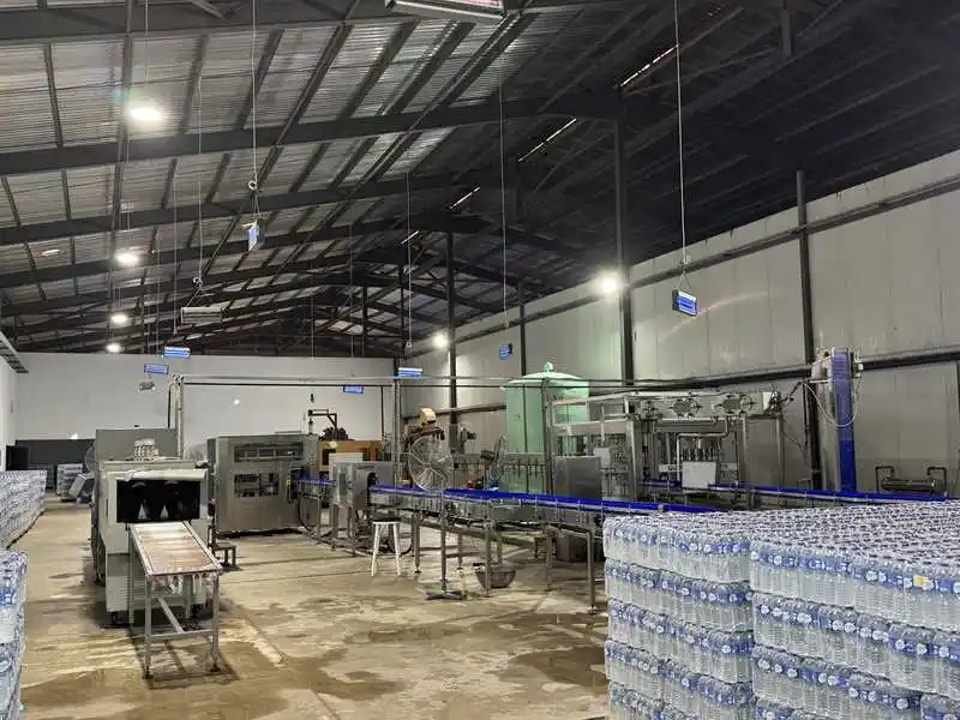
A single water bottle filling machine is only part of the solution. Building a complete, efficient bottling production line ensures smooth operation from raw water to finished pallet. Proper design reduces contamination risks, improves efficiency, and supports long-term scalability.
End-to-End Production Line Layout
A typical modern water bottling line follows this flow:
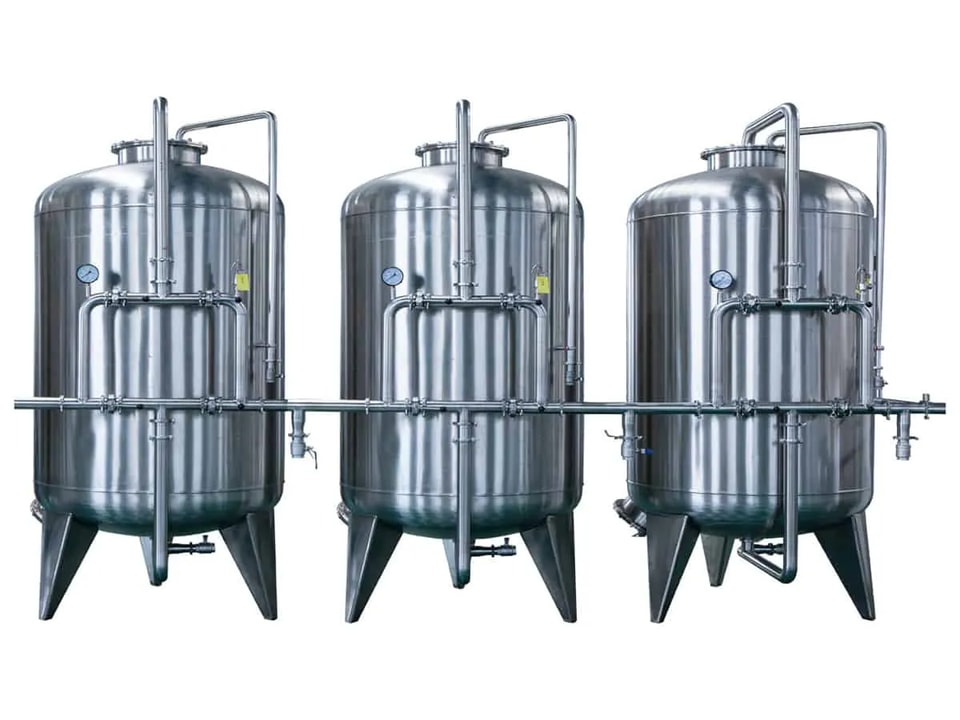
- Water Treatment System
- Bottle Blowing Machine (for PET preforms)
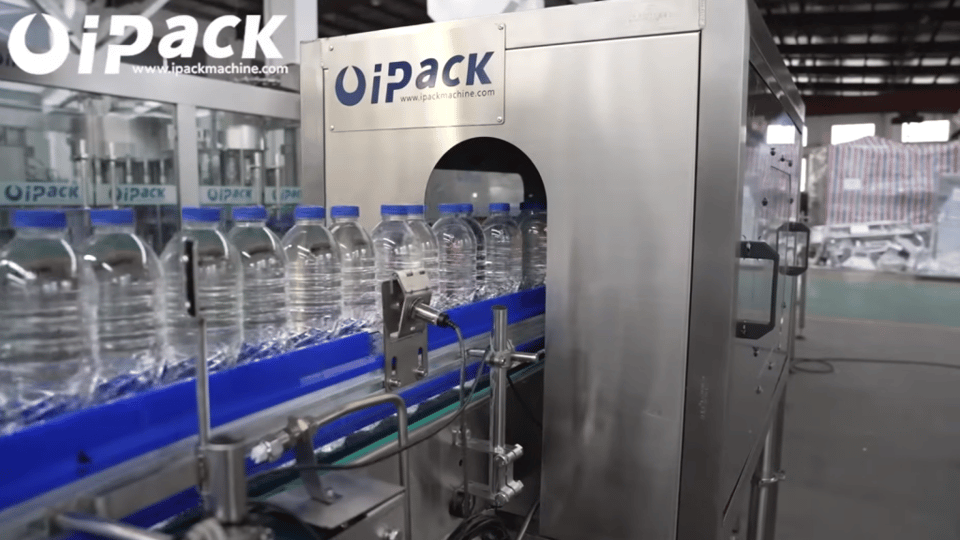
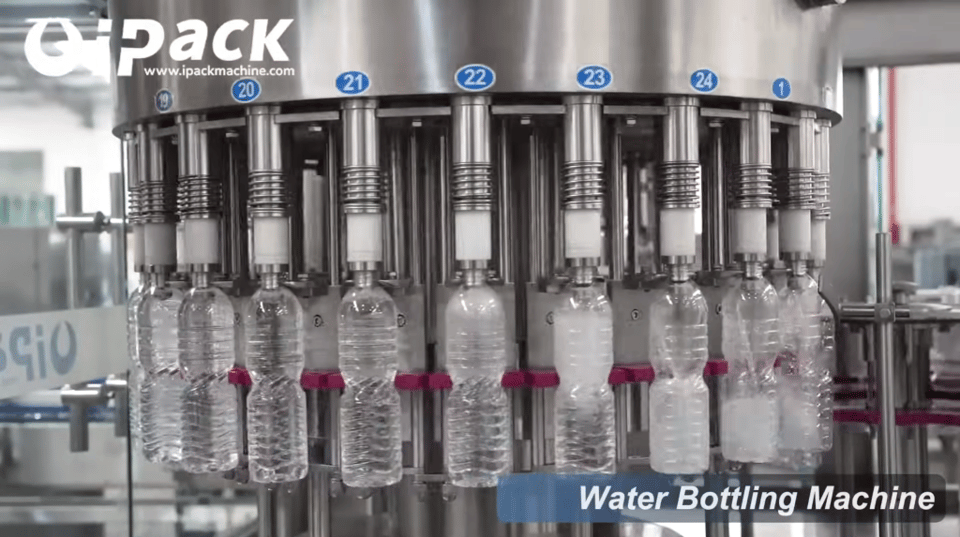
- Rinsing / Filling / Capping Monoblock
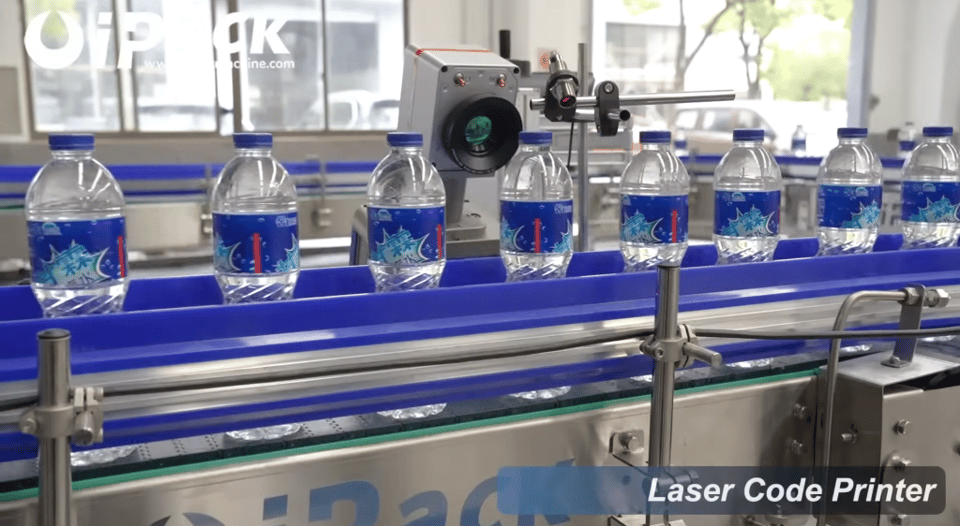
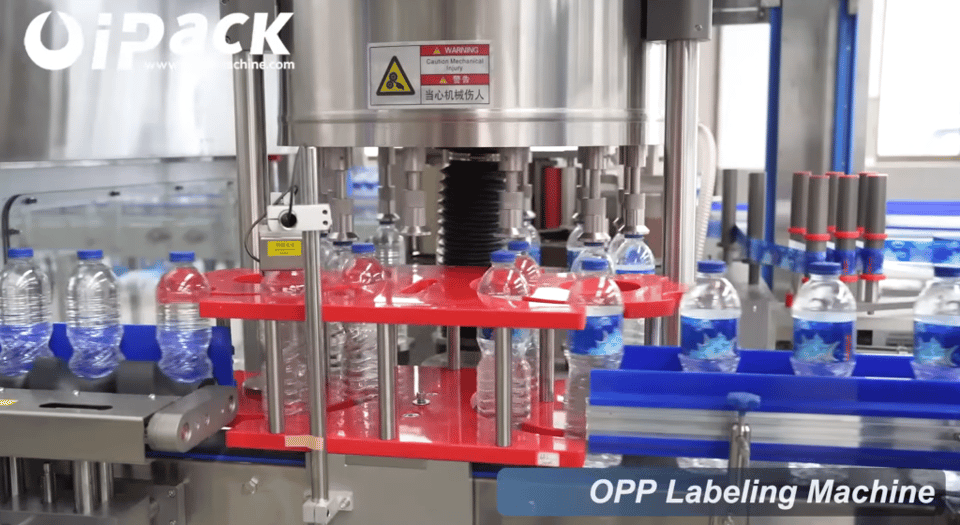
- Labeling and Inkjet Coding
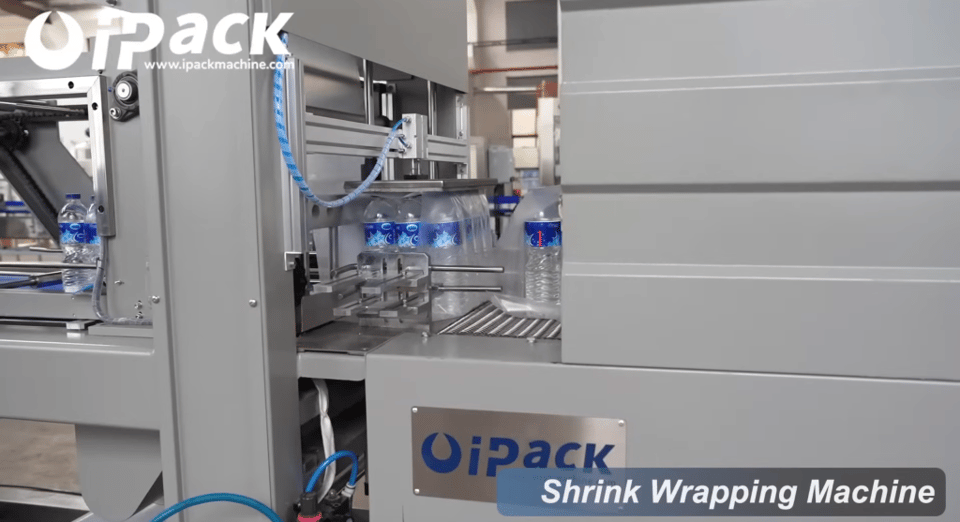
- Shrink Wrapping or Carton Packing
- Palletizing and Wrapping
This integrated setup minimizes manual handling and maintains product hygiene.
Recommended Configurations by Scale
Small Scale (Startup – up to 5,000 bottles/day) Compact layout: Linear design, 80-120 m² space, 25-40 kW power. Suitable for semi-automatic or small automatic 3-in-1 machine with basic labeling.
Medium Scale (Growing SME – 5,000-15,000 BPH) U-shaped or L-shaped layout, 200-350 m² space, 60-100 kW power. Recommended: Fully automatic 6,000-8,000 BPH monoblock with automatic labeling and shrink wrapper.
Large Scale (Industrial – 15,000+ BPH) Straight-line or rotary high-speed layout, 500+ m² space, 150-300 kW power. Includes advanced vision inspection and automatic palletizer.
Best Practices for Line Design
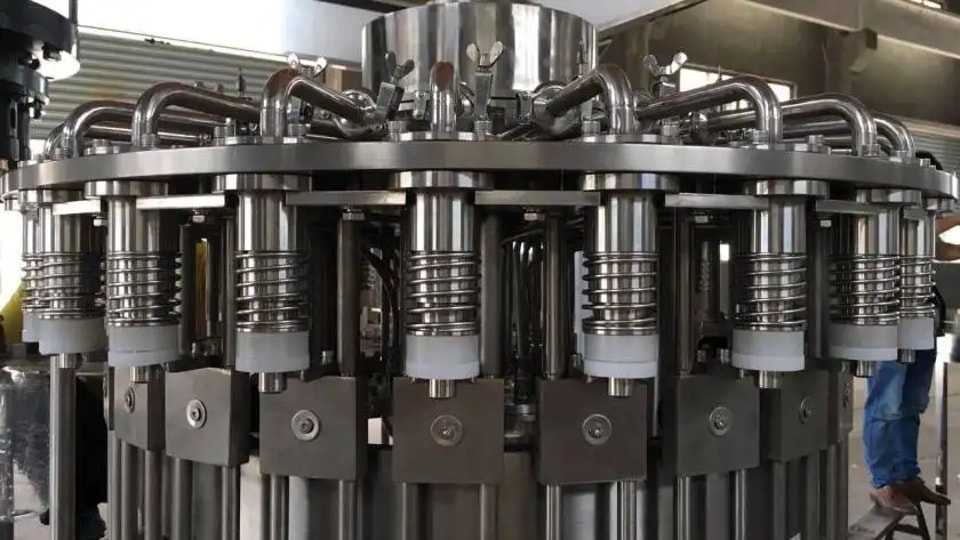
- Use monoblock integration (rinsing-filling-capping in one unit) to reduce contamination risk and save space.
- Design smart conveyor systems with buffer zones to prevent bottlenecks during speed changes.
- Insert quality control points such as vision inspection systems and fill level detectors at critical stages.
Layout Optimization and OEE Improvement
Layout choice significantly impacts performance.
Linear layouts are simpler and cheaper for small to medium lines. U-shaped designs save space and improve operator access. Rotary systems deliver higher speed but require more investment.
Well-optimized layouts can improve Overall Equipment Effectiveness (OEE) from a typical 65% to over 85%. This means more output with the same equipment and lower operating costs.
Recommendation: Always request a 3D layout simulation from your supplier before final purchase. A good design today prevents expensive modifications later.
ROI Calculation and Financial Planning
Calculating return on investment helps you make confident decisions when buying a water bottle filling machine. A good financial plan looks beyond machine speed and focuses on real profitability.
Simple Step-by-Step ROI Formula
Follow these steps to estimate your ROI:
- Calculate total investment (machine + auxiliaries + installation).
- Estimate annual production volume and selling price per bottle.
- Subtract production costs (water, electricity, labor, maintenance) to get contribution margin.
- Divide net profit by total investment and multiply by 100 for ROI percentage.
This method gives you a clear payback timeline.
Sample Case – Medium 8,000 BPH Line
Consider a typical medium-scale project with an 8,000 BPH fully automatic line:
- Total investment: $85,000 (machine + full line setup)
- Daily output: 60,000 bottles (8 hours, 75% efficiency)
- Selling price: $0.18 per 500ml bottle
- Variable cost per bottle: $0.09
Annual revenue (300 working days): ~$1.62 million Annual profit after costs: ~$280,000–$320,000
Payback period: Usually 18–36 months, depending on utilization rate.
Sensitivity Analysis
Profitability is highly sensitive to three factors:
- Utilization rate: Running at 60% vs 85% can change payback time by 12+ months.
- Selling price: A $0.02 increase per bottle significantly improves margins.
- Maintenance discipline: Poor maintenance can raise annual costs by 20-30%.
Focus on contribution margin per bottle rather than just machine speed. A slower but reliable line often generates higher profit than a fast one with frequent downtime.
Financing Options
- Purchase outright: Best if you have capital and want full ownership.
- Leasing: Lower initial payment, easier cash flow (popular for startups).
- Government grants: Many countries offer incentives for energy-efficient and green bottling technology. Check local programs for sustainability upgrades.
Recommendation: Create three scenarios (optimistic, realistic, conservative) before investing. This helps reduce financial risk and improves long-term success.
Risk Mitigation, Supplier Selection, and Long-Term Success Factors
Investing in a water bottle filling machine involves significant capital. Avoiding common mistakes and choosing the right partner greatly increases your chances of long-term success.
Common Pitfalls to Avoid
Many buyers face problems due to:
- Over-customization that increases cost and complexity without real benefits.
- Ignoring after-sales support, leading to long downtime when issues arise.
- Poor water source testing, which causes quality problems and equipment damage later.
Identifying these risks early helps you make better decisions.
How to Choose the Right Supplier
Look for these key qualities when selecting a supplier:
- Strong technical support and fast response times.
- Reliable spare parts availability with reasonable pricing.
- Good customization capability without compromising standard reliability.
- Proven installations with real customer references and factory visits.
A trustworthy supplier acts as a long-term partner rather than just a machine seller.
Maintenance Cost Control Strategies
Adopt preventive maintenance instead of reactive repairs. Industry data shows preventive programs can reduce overall maintenance costs by 20-30%. Schedule regular checks, keep critical spare parts in stock, and train operators properly.
Future-Proofing Your Production Line
Choose equipment with good scalability and upgrade paths. Modular designs allow you to increase speed or add new features as your business grows. Consider compatibility with future automation technologies like IoT monitoring.
Recommendation: Create a supplier scorecard based on the factors above. Visit the factory if possible and speak with existing customers. This careful approach protects your investment and supports sustainable business growth.
Conclusion
Choosing the right water bottle filling machine is about much more than comparing prices. Production capacity, bottle type, automation level, hygiene requirements, and future expansion plans all play an important role in determining the most suitable solution for your business.
A well-designed bottling line should not only meet your current production targets but also provide flexibility for future growth. Evaluating equipment reliability, maintenance requirements, energy efficiency, and supplier support can help reduce long-term operating costs and improve overall productivity.
Whether you are launching a new bottled water project or upgrading an existing production facility, working with an experienced equipment manufacturer can simplify the decision-making process and minimize investment risks.
At iPack Machine, we provide customized proposals, factory audits, and complete line simulations to help you identify the most efficient filling solution for your specific requirements. Contact our team today to discuss your project and receive expert guidance.
To explore technical specifications of individual machine types, refer back to the Comprehensive Guide to Water Bottle Filling Machines.
As the beverage industry continues to evolve toward smarter automation, digital monitoring, and higher production efficiency, investing in the right water bottle filling machine today can create a strong foundation for future success.